Apartments
Apartment communities
Turn courtyards, pool decks, and leasing greens into spaces residents actually use.
Best fits
Cornhole, ping pong, and compact strategy tables.
outdoor game tables for apartments and multifamily give apartment communities, student housing properties, HOAs, and condo developments a permanent amenity that residents actually use. Stone Age Concrete Games builds recreation spaces that stay in place, resist theft, handle weather, and keep looking sharp year after year. Start here, then explore the broader Outdoor Game Tables by Venue hub, browse the full Outdoor Concrete Games lineup, or return to the homepage for the full catalog.
This page is built for owners, developers, architects, and property managers who need a better answer than portable equipment that gets stolen, blown around, or replaced every few seasons. Whether you are planning a rooftop deck, a leasing courtyard, a student housing quad, or a shared HOA common area, permanent game tables help create a visible amenity upgrade that supports community life and long-term value.

Most multifamily buyers are not shopping for a toy. They are choosing an amenity zone that has to perform in the real world under weather exposure, resident traffic, leasing pressure, and maintenance budgets. That is why buyers often move from temporary gear to permanent products like cornhole, concrete ping pong, chess tables, and foosball.
This page is intentionally focused on apartment communities, student housing, HOAs, condominiums, and mixed-use residential properties. That keeps it distinct from the venue pages for parks and recreation, schools, colleges, and universities, resorts and hospitality properties, and campgrounds and RV resorts.
Turn courtyards, pool decks, and leasing greens into spaces residents actually use.
Cornhole, ping pong, and compact strategy tables.
High-energy game zones that activate shared spaces between classes and on weekends.
Cornhole, ping pong, and foosball combinations.
Architectural amenity pieces that look polished while surviving constant public use.
Round ping pong, cantilever models, and game seating zones.
Permanent recreation that keeps maintenance complaints and replacement requests down.
Cornhole, chess, and multi-generational social play areas.
A lot of amenity purchases look good for six months and then turn into a problem list. Portable tables disappear. Light equipment breaks. Property teams end up chasing replacement parts, moving gear into storage, or answering resident complaints after wind or vandalism does the damage. Permanent concrete recreation flips that equation. It is designed for long-term placement, predictable appearance, and consistent use.
If you need the broader story first, the main venue hub shows how this page fits into the full venue cluster.
Good amenities do more than fill a blank corner. They create reasons to stay outside longer, talk to neighbors, and use underperforming spaces. In multifamily, that matters because community feel is not abstract. It affects tours, retention, property branding, event programming, and the perception of management quality. Permanent game tables create a social anchor in places that otherwise become pass-through space.
Useful in tours, photography, and amenity walkthroughs.
Helps residents interact without forcing formal programming.
One durable purchase beats repeated short-life replacements.
Custom steel nets and graphics can reinforce property identity.
We see the strongest fit in rooftop decks, poolside lounge zones, shared courtyards, student commons, pocket parks inside multifamily developments, HOA clubhouses, and transitional gathering areas between buildings. If you want inspiration, browse Featured Projects or compare long-term value on the Savings page.
Different residential environments call for different mixes. The right setup depends on traffic, age mix, available square footage, visibility from leasing paths, and whether the space needs energy, calm, or both.
Apartment communities usually need the cleanest balance of social energy, visibility, and low maintenance. That is why cornhole and concrete ping pong often rise to the top. They are familiar, easy to understand, and can activate a courtyard without overwhelming the design.
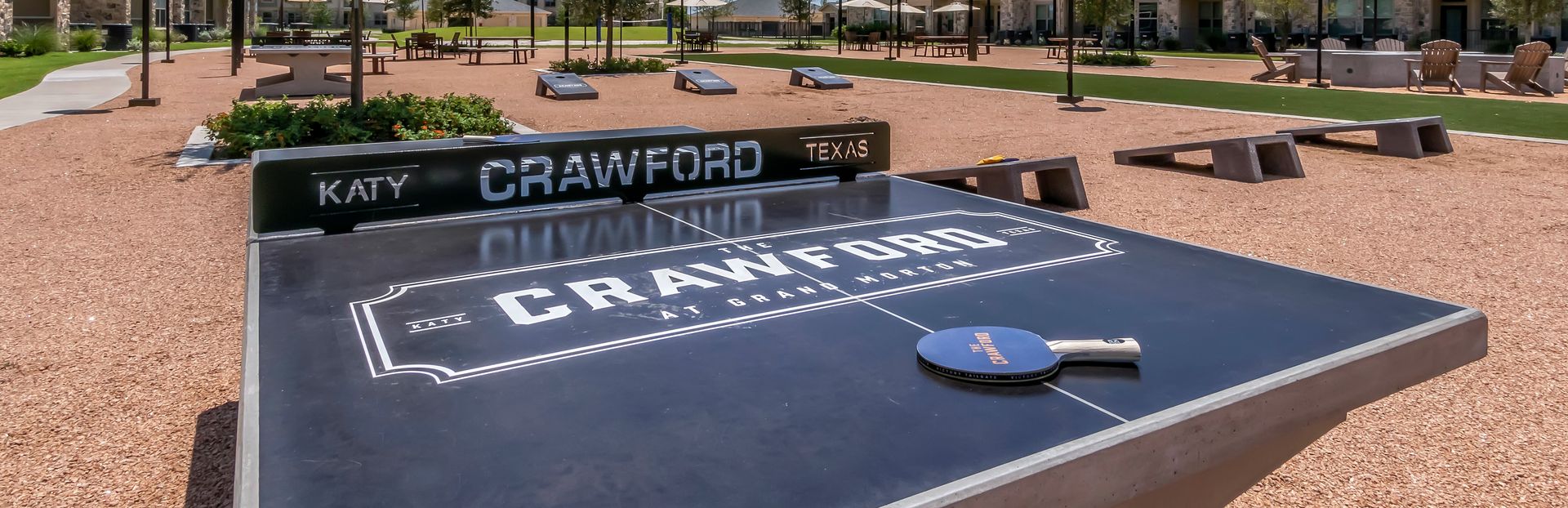
Two sets of cornhole boards plus one concrete ping pong table creates a simple but strong amenity cluster that feels active during tours and remains useful during resident events.
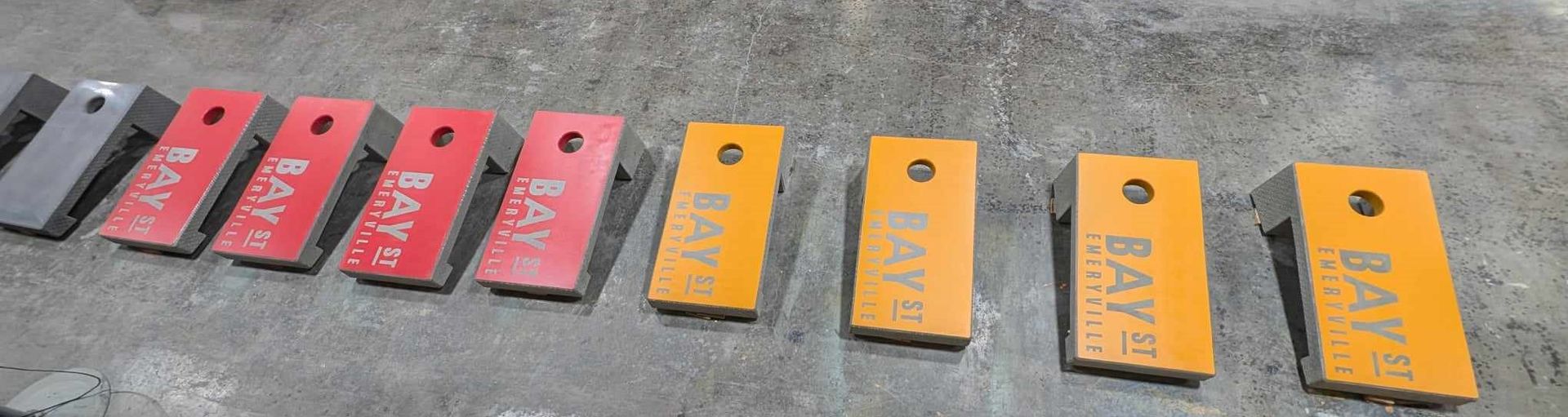
Cornhole is often the easiest yes for apartment and HOA buyers because it hits the sweet spot between visibility, familiarity, and footprint. Residents already know how to play. It can work in a courtyard, event lawn, rooftop, or pool-adjacent zone. It creates activity without requiring a huge amount of clearance, and it can support casual play as easily as organized resident events.
That is why concrete cornhole boards are often the first recommendation when a property needs an amenity upgrade with strong visual presence and low operational drag. If the space is larger, cornhole becomes the lead piece in a broader amenity zone that may also include ping pong or a quieter strategy area using chess tables.
| Game option | Best use in multifamily | Why buyers like it | Best page to visit next |
|---|---|---|---|
| Cornhole | Courtyards, event lawns, student housing zones | Familiar, social, easy to start, compact footprint | Cornhole |
| Concrete ping pong | Shared commons, active rooftops, premium decks | High engagement, strong visual appeal, repeat play | Concrete Ping Pong |
| Chess tables | Quiet lounge zones, senior-friendly seating areas | Dual-use seating plus slower social interaction | Chess Tables |
| Foosball | Student housing and energetic social spaces | Fast play, spectator energy, tournament potential | Foosball |
The best amenity areas do not just fit the table. They fit the way people move around it. That means sightlines from leasing routes, room for observers, clear circulation paths, shade where possible, and enough separation between energetic and quiet uses. If accessibility is part of your planning checklist, review the official ADA Design Standards while laying out access routes and clearances.
One thing this category does especially well is turn amenities into brand assets. A custom steel net or branded cornhole setup gives the space a stronger identity than generic imported equipment ever will. It helps the property feel more custom, more intentional, and more memorable during photography, social sharing, resident events, and leasing tours.
That branding value is one of the biggest reasons multifamily developers and student housing operators choose permanent game tables over disposable alternatives. They are not just buying recreation. They are buying a visible feature that can reinforce the quality of the property itself.
Portable equipment can look cheaper on day one, but it often loses that advantage when you account for replacement cycles, storage headaches, missing pieces, weather damage, vandalism, and staff time. A permanent table is usually a higher-confidence buy because the spend happens once and the amenity stays in service for years.
For the broader value story, compare long-term purchasing logic on the Savings page and explore the public-use catalog in Public Use.
These are strong starting points for buyers who want a quick path forward.
Once you narrow down the direction, move to Specifications & Technical Downloads, then use Contact Us or Schedule a Call to work through layout, product fit, and next steps.
These are the questions multifamily developers, property managers, and HOA decision-makers usually ask before moving forward.
The best fit usually depends on the kind of residential space you are activating. Cornhole is often the easiest first choice because it is familiar and space-efficient, while concrete ping pong adds stronger daily engagement. For quieter zones, chess tables work well as both seating and play.
Permanent game tables help reduce theft, weather damage, storage hassle, and repeated replacement purchases. They also create a more polished amenity presence for leasing tours, resident events, and long-term property branding.
Yes. Student housing often benefits from high-energy outdoor amenities that make shared spaces feel active. Cornhole, ping pong, and foosball are especially strong combinations for student-oriented courtyards and common areas.
Yes. Branding options can help turn the amenity into a visual identity piece for the property. That is especially useful for leasing photography, community events, and differentiated premium positioning.
The strongest placements are typically visible, high-dwell spaces such as courtyards, rooftop decks, pool-adjacent areas, clubhouses, and shared greens. During planning, review site circulation and accessibility requirements and use technical downloads to confirm fit.
If you are planning a multifamily amenity upgrade, these are the most useful next pages to visit after this one.
This page pairs especially well with the multifamily and HOA article in the blog, the main venue hub, and the product pages for cornhole, ping pong, and chess. That creates a cleaner internal path from venue intent to product consideration to conversion.
outdoor game tables for apartments and multifamily give apartment communities, student housing properties, HOAs, and condo developments a permanent amenity that residents actually use. Stone Age Concrete Games builds recreation spaces that stay in place, resist theft, handle weather, and keep looking sharp year after year. Start here, then explore the broader Outdoor Game Tables by Venue hub, browse the full Outdoor Concrete Games lineup, or return to the homepage for the full catalog.
This page is built for owners, developers, architects, and property managers who need a better answer than portable equipment that gets stolen, blown around, or replaced every few seasons. Whether you are planning a rooftop deck, a leasing courtyard, a student housing quad, or a shared HOA common area, permanent game tables help create a visible amenity upgrade that supports community life and long-term value.
Most multifamily buyers are not shopping for a toy. They are choosing an amenity zone that has to perform in the real world under weather exposure, resident traffic, leasing pressure, and maintenance budgets. That is why buyers often move from temporary gear to permanent products like cornhole, concrete ping pong, chess tables, and foosball.
This page is intentionally focused on apartment communities, student housing, HOAs, condominiums, and mixed-use residential properties. That keeps it distinct from the venue pages for parks and recreation, schools, colleges, and universities, resorts and hospitality properties, and campgrounds and RV resorts.
Turn courtyards, pool decks, and leasing greens into spaces residents actually use.
Cornhole, ping pong, and compact strategy tables.
High-energy game zones that activate shared spaces between classes and on weekends.
Cornhole, ping pong, and foosball combinations.
Architectural amenity pieces that look polished while surviving constant public use.
Round ping pong, cantilever models, and game seating zones.
Permanent recreation that keeps maintenance complaints and replacement requests down.
Cornhole, chess, and multi-generational social play areas.
A lot of amenity purchases look good for six months and then turn into a problem list. Portable tables disappear. Light equipment breaks. Property teams end up chasing replacement parts, moving gear into storage, or answering resident complaints after wind or vandalism does the damage. Permanent concrete recreation flips that equation. It is designed for long-term placement, predictable appearance, and consistent use.
If you need the broader story first, the main venue hub shows how this page fits into the full venue cluster.
Good amenities do more than fill a blank corner. They create reasons to stay outside longer, talk to neighbors, and use underperforming spaces. In multifamily, that matters because community feel is not abstract. It affects tours, retention, property branding, event programming, and the perception of management quality. Permanent game tables create a social anchor in places that otherwise become pass-through space.
Useful in tours, photography, and amenity walkthroughs.
Helps residents interact without forcing formal programming.
One durable purchase beats repeated short-life replacements.
Custom steel nets and graphics can reinforce property identity.
We see the strongest fit in rooftop decks, poolside lounge zones, shared courtyards, student commons, pocket parks inside multifamily developments, HOA clubhouses, and transitional gathering areas between buildings. If you want inspiration, browse Featured Projects or compare long-term value on the Savings page.
Different residential environments call for different mixes. The right setup depends on traffic, age mix, available square footage, visibility from leasing paths, and whether the space needs energy, calm, or both.
Apartment communities usually need the cleanest balance of social energy, visibility, and low maintenance. That is why cornhole and concrete ping pong often rise to the top. They are familiar, easy to understand, and can activate a courtyard without overwhelming the design.
Two sets of cornhole boards plus one concrete ping pong table creates a simple but strong amenity cluster that feels active during tours and remains useful during resident events.
Cornhole is often the easiest yes for apartment and HOA buyers because it hits the sweet spot between visibility, familiarity, and footprint. Residents already know how to play. It can work in a courtyard, event lawn, rooftop, or pool-adjacent zone. It creates activity without requiring a huge amount of clearance, and it can support casual play as easily as organized resident events.
That is why concrete cornhole boards are often the first recommendation when a property needs an amenity upgrade with strong visual presence and low operational drag. If the space is larger, cornhole becomes the lead piece in a broader amenity zone that may also include ping pong or a quieter strategy area using chess tables.
| Game option | Best use in multifamily | Why buyers like it | Best page to visit next |
|---|---|---|---|
| Cornhole | Courtyards, event lawns, student housing zones | Familiar, social, easy to start, compact footprint | Cornhole |
| Concrete ping pong | Shared commons, active rooftops, premium decks | High engagement, strong visual appeal, repeat play | Concrete Ping Pong |
| Chess tables | Quiet lounge zones, senior-friendly seating areas | Dual-use seating plus slower social interaction | Chess Tables |
| Foosball | Student housing and energetic social spaces | Fast play, spectator energy, tournament potential | Foosball |
The best amenity areas do not just fit the table. They fit the way people move around it. That means sightlines from leasing routes, room for observers, clear circulation paths, shade where possible, and enough separation between energetic and quiet uses. If accessibility is part of your planning checklist, review the official ADA Design Standards while laying out access routes and clearances.
One thing this category does especially well is turn amenities into brand assets. A custom steel net or branded cornhole setup gives the space a stronger identity than generic imported equipment ever will. It helps the property feel more custom, more intentional, and more memorable during photography, social sharing, resident events, and leasing tours.
That branding value is one of the biggest reasons multifamily developers and student housing operators choose permanent game tables over disposable alternatives. They are not just buying recreation. They are buying a visible feature that can reinforce the quality of the property itself.
Portable equipment can look cheaper on day one, but it often loses that advantage when you account for replacement cycles, storage headaches, missing pieces, weather damage, vandalism, and staff time. A permanent table is usually a higher-confidence buy because the spend happens once and the amenity stays in service for years.
For the broader value story, compare long-term purchasing logic on the Savings page and explore the public-use catalog in Public Use.
These are strong starting points for buyers who want a quick path forward.
Once you narrow down the direction, move to Specifications & Technical Downloads, then use Contact Us or Schedule a Call to work through layout, product fit, and next steps.
These are the questions multifamily developers, property managers, and HOA decision-makers usually ask before moving forward.
The best fit usually depends on the kind of residential space you are activating. Cornhole is often the easiest first choice because it is familiar and space-efficient, while concrete ping pong adds stronger daily engagement. For quieter zones, chess tables work well as both seating and play.
Permanent game tables help reduce theft, weather damage, storage hassle, and repeated replacement purchases. They also create a more polished amenity presence for leasing tours, resident events, and long-term property branding.
Yes. Student housing often benefits from high-energy outdoor amenities that make shared spaces feel active. Cornhole, ping pong, and foosball are especially strong combinations for student-oriented courtyards and common areas.
Yes. Branding options can help turn the amenity into a visual identity piece for the property. That is especially useful for leasing photography, community events, and differentiated premium positioning.
The strongest placements are typically visible, high-dwell spaces such as courtyards, rooftop decks, pool-adjacent areas, clubhouses, and shared greens. During planning, review site circulation and accessibility requirements and use technical downloads to confirm fit.
If you are planning a multifamily amenity upgrade, these are the most useful next pages to visit after this one.
This page pairs especially well with the multifamily and HOA article in the blog, the main venue hub, and the product pages for cornhole, ping pong, and chess. That creates a cleaner internal path from venue intent to product consideration to conversion.