Public parks have always been about bringing people together. From playgrounds and picnic shelters to walking trails and open lawns, parks serve as shared spaces where communities connect, relax, and recharge. In recent years, park planners and municipalities have started exploring public park seating-and-gaming combos as a way to increase engagement while making better use of available space. These integrated units combine comfortable seating with built-in game surfaces, creating destinations rather than pass-through areas. The idea is simple but powerful: instead of choosing between a bench or a game table, visitors get both in one thoughtfully designed feature. This approach supports accessibility, convenience, and social interaction while giving parks a modern, multifunctional upgrade.
What Are Public Park Seating-and-Gaming Combos?
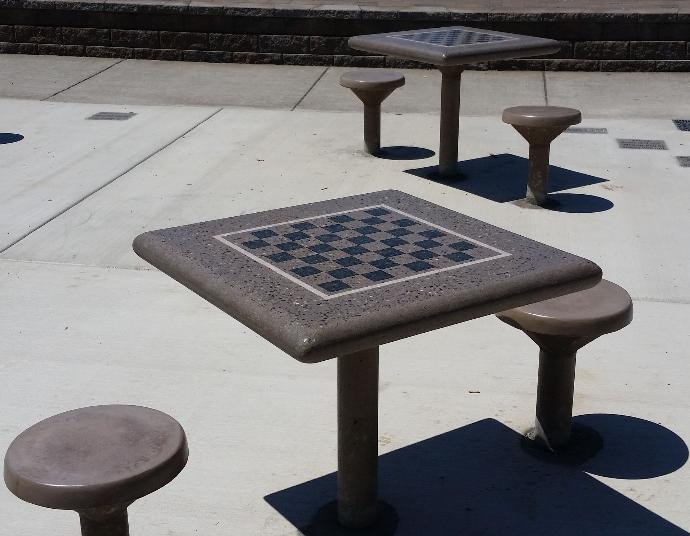
Seating-and-gaming combos are permanent or semi-permanent installations that merge seating elements with playable game surfaces. Common examples include concrete ping pong tables with attached benches, chess or checkers tables with integrated seats, and multi-game units that support casual play without requiring extra equipment. These designs are typically built from durable materials like reinforced concrete, steel, or treated composites to handle constant public use and exposure to the elements.
Unlike traditional standalone benches or portable game tables, combo units are designed to stay in place year-round. That permanence matters. It signals to park users that the space is meant to be used, enjoyed, and shared. When someone walks through a park and sees a chess table with seats already waiting, the barrier to participation drops dramatically. No setup. No hauling chairs. Just sit down and play.
From a planning perspective, these units also streamline layout decisions. Instead of scattering benches and then trying to place games nearby, a single combo unit accomplishes both goals. The result is a cleaner, more intentional park design that encourages longer visits and repeat use.
How Seating-and-Gaming Combos Improve Park Usability
At their core, seating-and-gaming combos improve how people actually use a park. Many parks struggle with underutilized areas where benches face empty paths or open space without a clear purpose. Adding an interactive element changes behavior. People stop. They stay longer. They interact with each other rather than just passing through.
Some key usability benefits include:
- Encouraging multi-generational use by offering activities that appeal to kids, teens, adults, and seniors.
- Reducing crowding by creating multiple activity hubs instead of a single focal point.
- Making parks more welcoming to solo visitors who might join a game or simply watch others play.
- Supporting both active play and passive relaxation in one footprint.
There is also a subtle psychological effect. Games give people permission to engage. A bench alone says rest if you need to. A game table with seating says sit down, interact, and have fun. That difference can transform the overall energy of a public space.
Accessibility Advantages of Combined Units
Accessibility is one of the strongest arguments in favor of seating-and-gaming combos. When designed correctly, these units can meet or exceed ADA guidelines while offering inclusive play opportunities. Integrated seating ensures that users do not have to move furniture or find a separate place to rest. For individuals with mobility challenges, that convenience can be the difference between participating and sitting out.
Accessibility advantages often include:
- Wheelchair-accessible table heights and knee clearance.
- Fixed seating that provides stability for older adults.
- Clear ground space around the unit for easy approach.
- Games like chess or checkers that do not require quick reflexes or standing play.
By combining seating and gaming into one unit, designers reduce the number of transitions a user has to make. Fewer transitions mean fewer obstacles. It is a small design choice with a big impact on inclusivity.
Space-Saving Designs for Busy Parks
Urban parks and community spaces often face a common challenge: limited square footage. Seating-and-gaming combos address this issue head-on by consolidating functions. Instead of dedicating one area to benches and another to games, a single installation serves both purposes.
This efficiency is especially valuable in:
- Pocket parks and plazas.
- School campuses with shared outdoor spaces.
- Waterfront promenades or trailheads.
- High-traffic urban parks where every square foot matters.
Space-saving designs also help with sightlines and flow. A well-placed combo unit creates a natural gathering spot without blocking pathways or views. It can anchor a space without overwhelming it, which is something oversized playground equipment or scattered furniture often fails to do.
Material Choices That Withstand Public Use
Durability is non-negotiable in public parks. Seating-and-gaming combos must withstand weather, heavy use, and occasional misuse. This is where material choice becomes critical. Reinforced concrete has emerged as a gold standard for permanent outdoor game tables because it offers unmatched longevity with minimal maintenance.
Concrete-based combo units provide several advantages:
- Resistance to moisture, UV exposure, and temperature extremes.
- Vandal resistance compared to wood or lightweight metal.
- Stability that prevents tipping or movement.
- Long service life measured in decades, not years.
Other materials like steel or composite plastics can work in certain applications, but they often require more upkeep or replacement over time. For municipalities focused on long-term value, concrete delivers a strong return on investment. It is hard to argue with a table that still looks good and plays well after ten or twenty years in a public setting.
Which Combo Units Work Best for Different Park Layouts?
Not all parks are the same, and seating-and-gaming combos should be selected with layout and audience in mind. A neighborhood park with families might benefit from different units than a downtown plaza or a resort-style green space. The key is matching the game and seating style to how people already use the area.
Some practical pairings include:
- Ping pong tables with benches for active, social zones near playgrounds or recreation centers.
- Chess and checkers tables with seating for quieter areas, senior-friendly spaces, or shaded groves.
- Multi-game tables that support several activities for community hubs or school campuses.
- Cornhole or shuffleboard units for parks that host events or casual gatherings.
Placement matters just as much as the unit itself. Combo tables work best when they are visible but not intrusive. Near walking paths, under shade structures, or adjacent to open lawns are all popular choices. Good placement increases spontaneous use, which is where these installations really shine.
A bit of clean humor never hurts either. A ping pong table with built-in seating quietly says, you are probably going to be here a while, so get comfortable. That sense of invitation is exactly what public parks aim to provide.
Community Engagement and Social Benefits
Beyond usability and efficiency, seating-and-gaming combos play a significant role in building community. Games are natural icebreakers. They encourage conversation, friendly competition, and shared experiences between people who might not otherwise interact.
Community engagement benefits include:
- Increased social interaction among park visitors.
- Opportunities for informal tournaments or events.
- Safe, positive activities for teens and young adults.
- Enhanced sense of ownership and pride in the park.
When people feel connected to a space, they are more likely to care for it. Well-used parks tend to experience less vandalism and more community stewardship. In that sense, seating-and-gaming combos do more than entertain. They contribute to the long-term health and safety of public spaces.
Long-Term Value for Municipalities and Organizations
From a budgeting standpoint, seating-and-gaming combos make a strong case. While the upfront cost may be higher than a simple bench, the combined functionality and durability often result in lower overall spending over time. Fewer pieces of furniture to maintain, fewer replacements, and higher user satisfaction all add up.
Decision-makers often appreciate:
- Reduced maintenance requirements.
- Long lifespan of permanent installations.
- Positive feedback from residents and visitors.
- Alignment with goals around accessibility and inclusivity.
In an era where public funds are carefully scrutinized, investments that deliver visible, long-lasting benefits tend to stand out. A well-designed combo unit is not just furniture. It is infrastructure for community life.
Are Seating-and-Gaming Combos the Right Choice?
So, are seating-and-gaming combos right for public parks? In many cases, the answer is yes. They support accessibility by reducing barriers to participation. They improve convenience by combining functions into a single footprint. They boost community engagement by inviting people to interact rather than simply passing through.
Of course, thoughtful planning is essential. The right materials, games, and placement make all the difference. When those elements come together, the result is a park feature that feels timeless rather than trendy.
Bring People Together with Stone Age Concrete Games
At Stone Age Concrete Games, we design and build permanent outdoor concrete game tables that bring people together. Our products include ping pong, chess, foosball, shuffleboard, cornhole, and more, crafted from reinforced concrete for parks, resorts, HOAs, schools, and community spaces. Each table is weather-resistant, vandal-resistant, and made to perform for decades. If you are considering public park seating-and-gaming combos as part of your next project, we are here to help. Contact us to request a quote or design consultation and discover how durable, well-designed game tables can transform your outdoor space into a place people truly want to gather.