Permanent vs Portable Outdoor Ping Pong Tables: A Complete Comparison
Choosing between permanent and portable outdoor ping pong tables comes down to one fundamental question: Is this table temporary furniture or permanent infrastructure?
This guide compares concrete permanent tables against aluminum and steel portable tables—not through marketing claims, but through real-world durability, total cost of ownership, playability, and long-term value for parks, apartments, schools, and commercial properties.
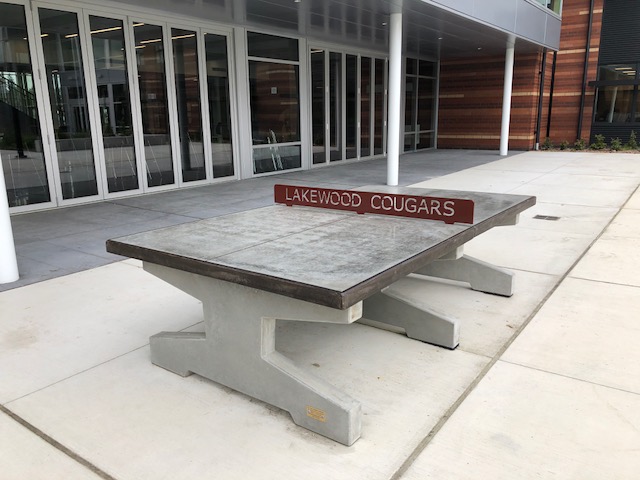
Industrial Quality Permanent Outdoor Table Tennis
The Core Difference: Infrastructure vs Equipment
Permanent Concrete Tables: Industrial-grade outdoor game infrastructure designed to last 20-30+ years. Bolt down once, maintain never. Built for public spaces, commercial properties, and high-end residential installations where quality matters more than portability.
Portable Aluminum/Steel Tables: Seasonal outdoor equipment designed for 3-5 year lifecycles. Require storage, ongoing maintenance, and eventual replacement. Built for residential backyards and temporary installations where flexibility is the priority.
Neither is "better"—they serve completely different purposes. But if you're managing a park, apartment complex, school, resort, or commercial property, the permanent vs portable decision has major financial and operational implications.
Total Cost of Ownership: Permanent vs. Portable
Parks departments comparing options need to calculate true 10-year costs, not just purchase price. Many por
Portable Tables (Typical Lifecycle):
• Year 1-3: Purchase price 1,500-3500
• Year 2-4: Net replacement, rust treatment, storage costs
• Year 2-3: Theft or weather damage requires full replacement
• Repeat cycle 2-5 times over 10 years
• Total 10-year cost: $8,000-14,000 per table (including staff time, storage, replacements)
Stone Age Permanent Tables:
• One-time installation: $2,500-8,000
• Close to $100.00 maintenance costs for 20-30+ years
• No storage, no theft replacement, no staff time
• Total 10-year cost: Initial purchase price only
The cost savings fund additional amenities or offset budget constraints in other park areas.
Durability Comparison: Industrial vs Disposable
Weather Resistance:
Permanent Concrete: Engineered for all climates—desert heat, coastal humidity, mountain snow, urban pollution. No degradation, no warping, no seasonal limits. Rated for permanent outdoor exposure in any weather condition.
Portable Aluminum/Steel: Designed for protected or seasonal outdoor use. Coatings fail over time. Aluminum oxidizes, steel rusts at connection points. Tables deteriorate faster in harsh climates (extreme heat, salt air, freeze/thaw cycles). Most require storage or covering during off-seasons.
Vandalism & Public Use:
Permanent Concrete: Industrial-strength construction withstands impact, abuse, and vandalism attempts. Graffiti wipes off sealed surfaces. No removable parts to steal. No nets to cut. Built specifically for unsupervised public spaces. Parks departments report 20-30+ years of service in high-vandalism areas.
Portable Aluminum/Steel: Vulnerable to theft (lightweight, movable). Nets are removable and frequently stolen. Frames bend under abuse. Not designed for unsupervised public use. Common in residential settings, rare in public parks for good reason.
Structural Integrity:
Permanent Concrete: 5,000 PSI reinforced concrete with steel rebar. Zero flex, zero warping, zero degradation over decades. Playing surface remains tournament-flat for entire 20-30+ year lifespan.
Portable Aluminum/Steel: Frames flex during play. Playing surfaces warp over time from weather exposure and temperature cycling. Bounce quality degrades as surfaces age. Typical usable life: 3-5 years before performance decline becomes noticeable.
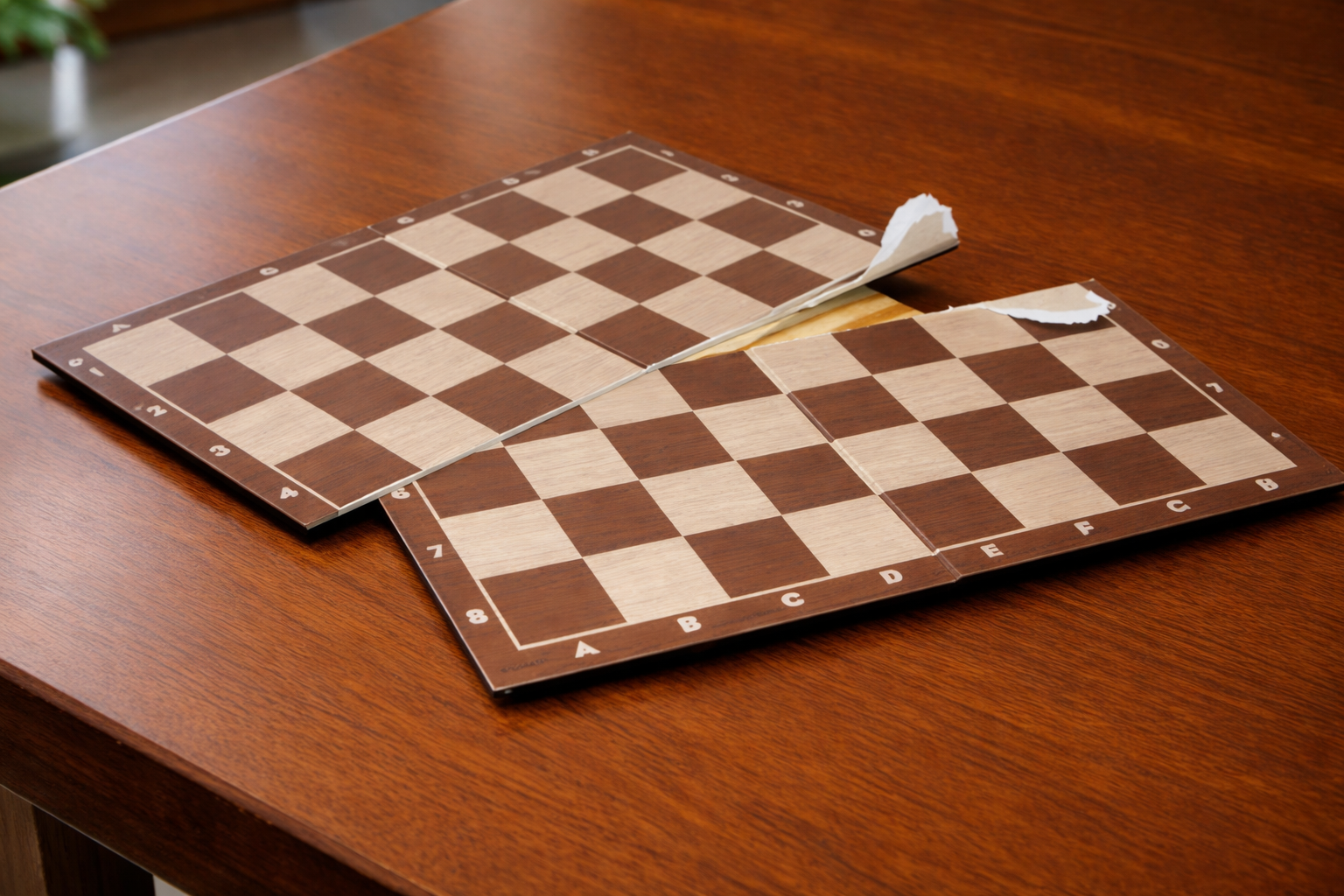
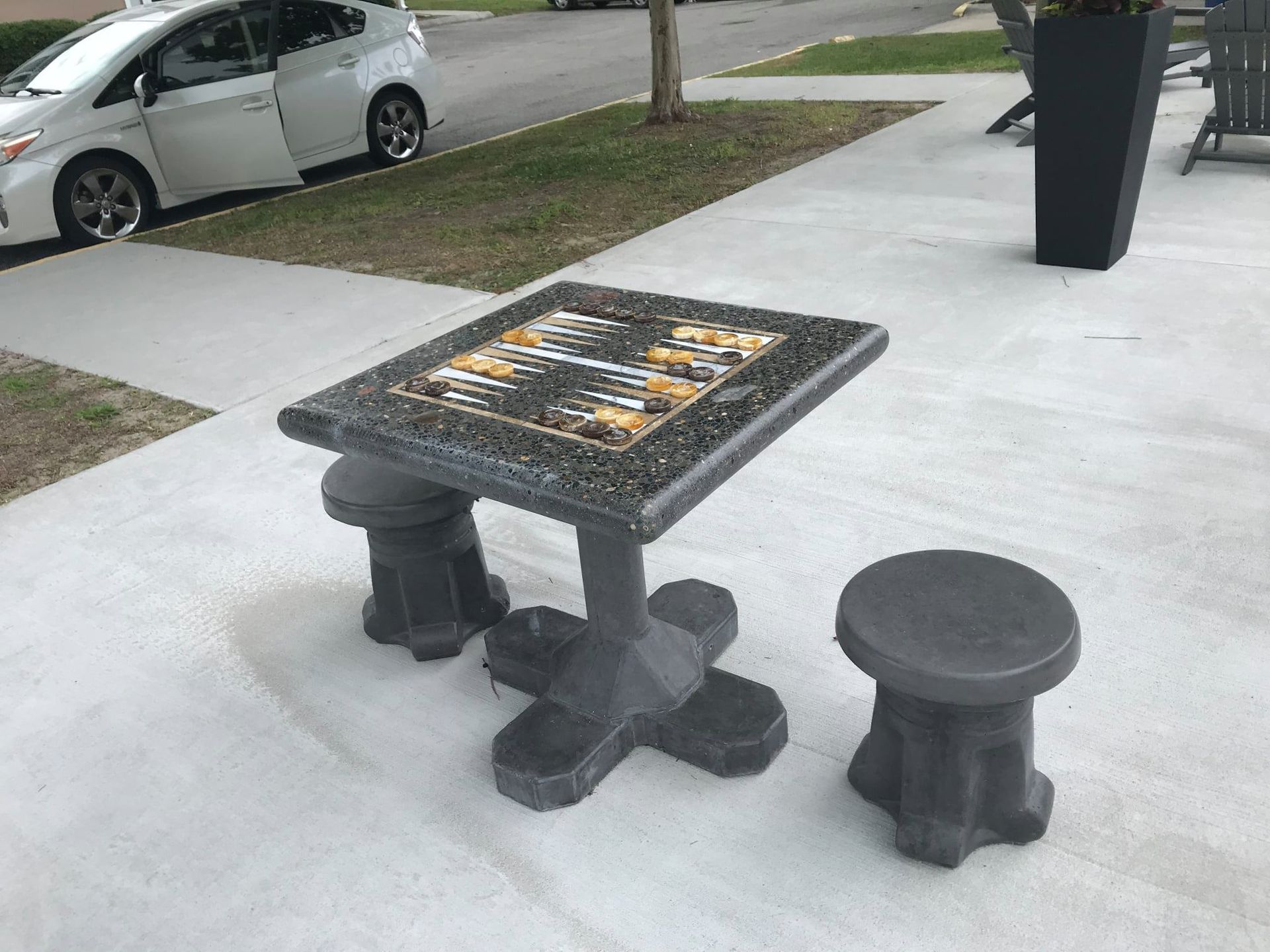
It takes a quantum improvement to bring a table game into the public outdoor space for generations.
Playability: Consistent vs Degrading Performance
Ball Bounce Quality:
Permanent Concrete: Tournament-consistent bounce that never changes. Properly engineered concrete surfaces deliver ITTF-compliant ball response. Performance identical on day 1 and year 20.
Portable Tables: Good initial bounce that degrades as surfaces warp and weather. Temperature affects play quality. Portable tables feel different from season to season as materials age.
Playing Surface Stability:
Permanent Concrete: Absolutely rigid. Zero flex during aggressive play. Net tension never changes. Professional-level stability for competitive players.
Portable Tables: Frame flex during hard shots. Net tension varies. Lighter construction means more vibration and movement during play, especially in wind.
All-Weather Playability:
Permanent Concrete: Play immediately after rain (water beads off sealed surface). No seasonal restrictions. Available 365 days a year in any weather.
Portable Tables: Require drying time after rain. Often stored seasonally. Not designed for year-round outdoor exposure in harsh climates
Maintenance Requirements: Zero vs Ongoing
Permanent Concrete Tables:
• Annual maintenance: Wipe down once a year
• Net replacement: Never (3/8" steel, welded construction)
• Surface treatment: None required
• Rust prevention: Not applicable (concrete doesn't rust)
• Storage: None (stays outside permanently)
• Winter prep: None required
• Staff time: 10 minutes per year
Portable Aluminum/Steel Tables:
• Net replacement: Every 1-2 years ($50-150 each time)
• Surface cleaning and treatment: 2-4 times per year
• Rust treatment (steel models): Ongoing
• Coating touch-ups: As needed
• Seasonal storage: Moving, covering, uncovering
• Winter prep: Take down, store, or heavy covering
• Staff time: 10-20 hours per year
Maintenance costs and staff time heavily favor permanent installations, especially when managing multiple tables across properties or park systems.
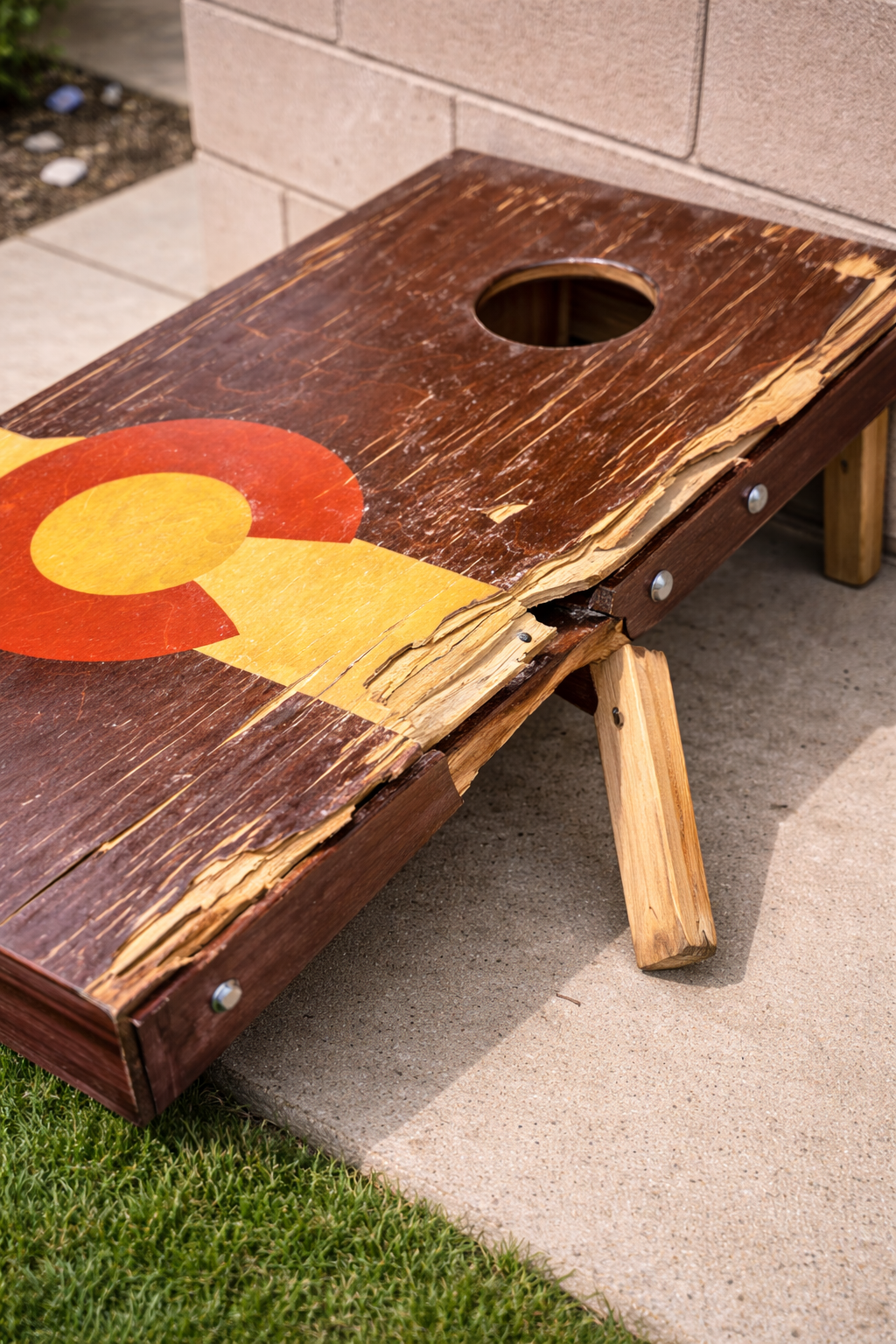
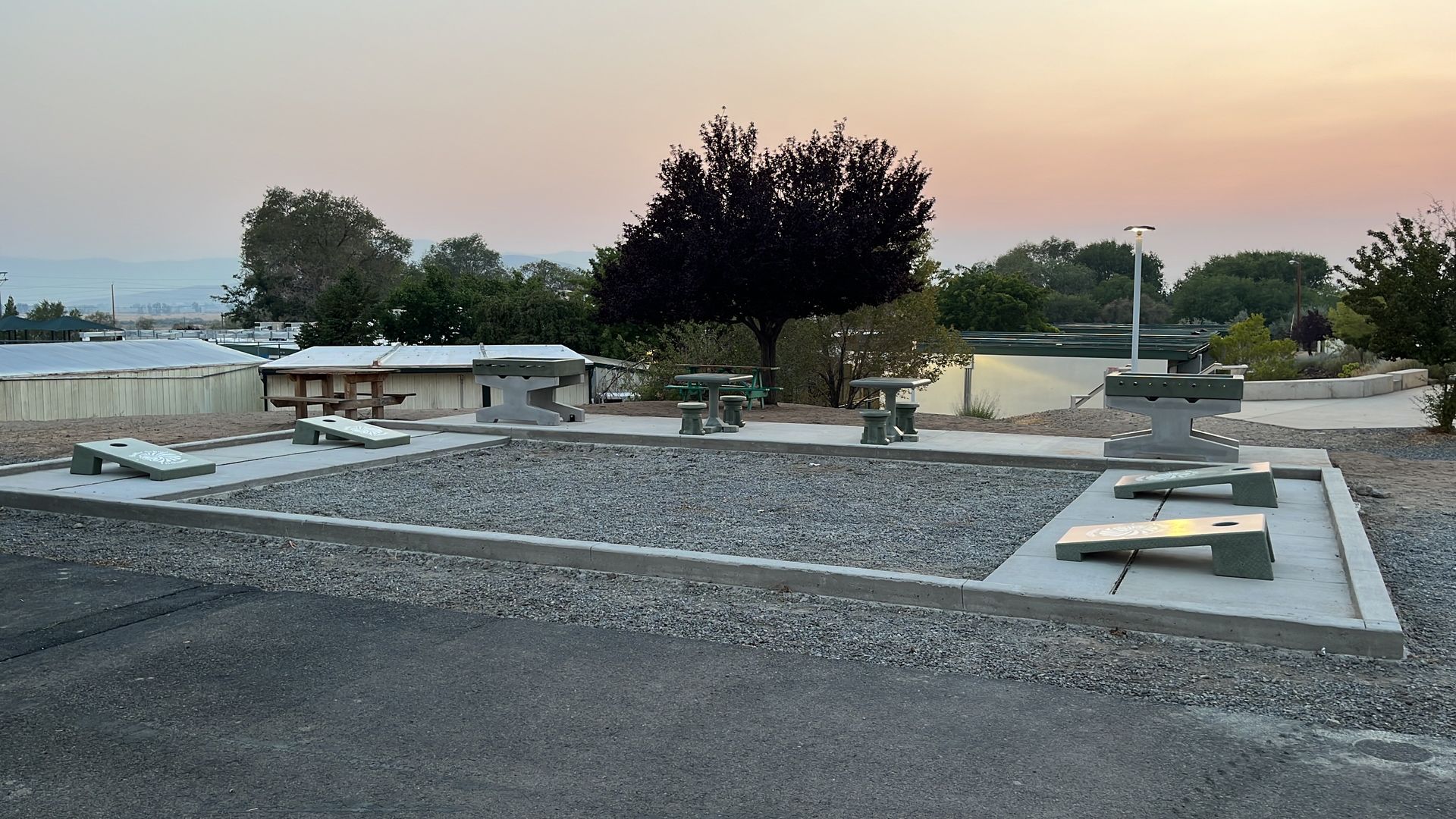
Our cornhole customers KNOW how long a set of cornhole boards lasts left outside in public high use areas. We offer CONCRETE solutions.
Theft & Security: Infrastructure vs Movable Equipment
Permanent Concrete:
2,400 lbs, bolted to concrete foundation with steel anchors. Physically impossible to move without heavy equipment and concrete cutting tools. Zero theft risk. Zero insurance claims. Parks departments report zero theft incidents across thousands of installations nationwide.
Portable Tables:
Lightweight by design (100-300 lbs). Easy to move, easy to steal. Nets are removable and frequently disappear. Common theft target in public spaces. Requires seasonal storage which creates additional security concerns. Insurance claims and replacement costs are ongoing budget items for many facilities.
Industrial Design vs Disposable Equipment
The difference between permanent and portable extends beyond materials—it's a fundamental difference in product philosophy.
Industrial-Grade Permanent Games:
Stone Age concrete ping pong tables are industrial infrastructure, not consumer products. Built the same way bridges and buildings are built—engineered for decades of heavy public use without degradation. These aren't "outdoor ping pong tables"—they're permanent recreational infrastructure.
Compare this to industrial park equipment:
• Permanent concrete tables = Industrial playground equipment (built for 20-30+ years)
• Portable tables = Residential swing sets (3-5 year lifespan)
The Disposable Alternative:
Portable tables—even high-quality ones—are designed as replaceable equipment. This approach makes sense for backyards. It fails in public, commercial, and institutional settings where:
• Budget cycles don't accommodate frequent replacement
• Theft is a concern
• Maintenance staff is limited
• Professional appearance matters
• Long-term value is prioritized over initial cost
Similar contrast exists across other outdoor games:
• Industrial concrete cornhole boards (400 lbs, permanent) vs plastic cornhole sets (disposable, seasonal)
• Permanent concrete chess tables with marble inlay vs cardboard chess boards
• Industrial concrete foosball tables vs plastic park foosball that degrades in 2 years
• Cast concrete Connect Four vs plastic versions that crack and fade
For public parks, apartments, schools, and commercial properties, industrial-grade permanent games eliminate the replacement cycle entirely.
Customization & Design Flexibility
Permanent Concrete Advantages:
• Custom steel nets with logos laser-cut and burned into 3/8" steel
• Integral concrete color (color throughout, not surface coating)
• Custom finishes: polished, honed, exposed aggregate
• Branding opportunities that last decades
• Architectural models (Cantilever, Round 4-Way, Trapezoid) that make design statements
• Site-specific customization (custom imagery in nets, local symbols, heritage designs)
Portable Table Limitations:
• Standard colors only
• Generic net designs
• Limited to manufacturer's existing models
• No permanent branding options
• Coating-based colors that fade and chip over time
Environmental Impact: Built Once vs Replace Forever
Permanent Concrete:
One manufacturing event, one shipping event, one installation. Then 20-30+ years of service with zero replacement. Concrete is locally sourced, regionally manufactured, and 100% recyclable at end of life (which rarely comes—most concrete tables outlast their original sites).
Portable Tables:
Replace every 3-5 years = 6-10 manufacturing cycles over 30 years. Multiple shipping events. Aluminum and steel tables end up in landfills when coatings fail and frames corrode. The "affordable" table becomes expensive from both cost and environmental perspectives when replacement cycles are factored in.
Where Each Type Makes Sense
Choose Permanent Concrete When:
• Installation is for public parks, plazas, or civic spaces
• Property is multifamily/apartment community
• Location is school, university, or institutional campus
• Site is resort, campground, hotel, or hospitality venue
• Budget is capital improvement (not operational)
• Theft or vandalism is a concern
• Maintenance staff is limited
• Long-term value matters more than initial cost
• Professional appearance and branding are important
• Year-round outdoor use is expected
Choose Portable Aluminum/Steel When:
• Installation is residential backyard
• Table needs to move seasonally (indoor storage in winter)
• Space usage changes frequently
• Flexibility is more important than permanence
• Installation is temporary or short-term
• Budget is limited and replacement cycle is acceptable
Grant Funding & Capital Improvement Budgets
Permanent concrete tables qualify for funding that portable equipment doesn't:
Grant-Eligible Features:
• 20-30+ year lifespan = capital improvement
• Permanent installation = infrastructure investment
• Multi-generational use = broad community benefit
• Zero maintenance = sustainable long-term investment
• ADA-accessible options available = inclusive design
Parks departments, schools, and municipalities regularly fund permanent concrete tables through capital improvement budgets and grants that explicitly exclude "equipment" purchases like portable tables.
The Bottom Line: Permanent Infrastructure vs Temporary Equipment
Permanent Concrete Tables Win When:
• Total cost of ownership matters (cheaper over 10 years despite higher upfront cost)
• Durability and longevity are priorities (20-30+ years vs 3-5 years)
• Maintenance resources are limited (zero maintenance vs ongoing upkeep)
• Theft and vandalism are concerns (impossible to steal vs frequent theft target)
• Professional appearance matters (architectural design vs consumer equipment)
• Year-round outdoor use is expected (all-weather vs seasonal)
Portable Tables Win When:
• Flexibility and seasonal movement are required
• Installation is residential backyard
• Space usage changes frequently
• Lower upfront cost matters more than lifecycle value
Ready to Make the Permanent Choice?
Stone Age Concrete Games builds industrial-grade permanent outdoor ping pong tables for parks, apartments, schools, resorts, and commercial properties nationwide. Every table is handcrafted, custom-finished, and engineered for decades of maintenance-free outdoor use.
Our Most Popular Models:
• Uptown Model: The workhorse—balanced, proven, ideal for parks and schools
• Cantilever Model: Architectural statement piece for design-focused projects
• Round 4-Way Model: 360° play, unique attraction for high-traffic areas
• Dining Models: Dual-purpose tables for restaurants, breweries, luxury homes
Custom quotes typically turn around in 48 hours. Installation is straightforward—we provide foundation specs, tables arrive ready to bolt down.
Contact us for pricing, customization options, installation specifications, and grant application support materials.