Elementary
Playground edge and activity zones
Simple, durable game options that hold up to frequent use and fit younger students.
Best fit
Ping pong, cornhole, and Connect Four.
outdoor games for schools colleges and universities give students a permanent place to gather, move, compete, and connect without equipment checkout, locked storage, or constant staff oversight. Stone Age Concrete Games builds weather-ready ping pong tables, cornhole boards, chess tables, foosball tables, and other outdoor game installations that keep campus spaces active throughout the school day and beyond. Explore this page, visit Outdoor Game Tables by Venue, browse the full Outdoor Concrete Games lineup, or return to the homepage for the full catalog.
This page is built for K-12 schools, colleges, universities, campus planners, principals, student life teams, and facilities departments that want outdoor recreation students actually use. The goal is not just to place a table outside. The goal is to create visible, low-friction campus activity that supports connection, movement, school pride, and year-round use.
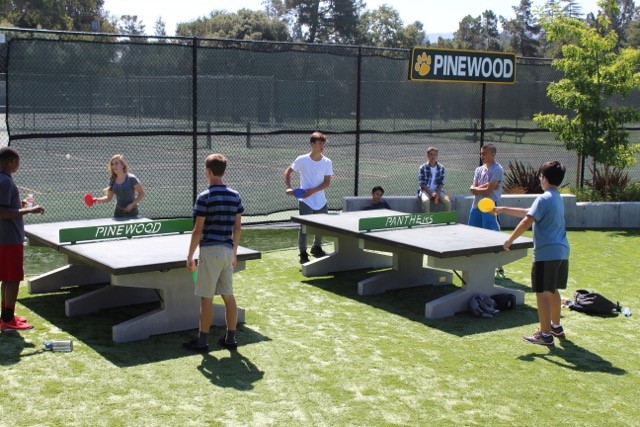
Schools and universities need more than one-off recreation pieces. They need durable outdoor amenities that fit campus life, require almost no operational effort, and support student use before class, during breaks, after school, and on weekends. That is why education buyers often start with concrete ping pong, then build out with cornhole, chess tables, foosball, and high-interest pieces like Connect Four.
Reference point: CDC says children and adolescents ages 6-17 should get 60 minutes or more of physical activity daily, and schools are in a strong position to help support that through activity opportunities before, during, and after school. :contentReference[oaicite:0]{index=0}
This page is focused on educational environments including elementary schools, middle schools, high schools, colleges, and universities. It stays separate from the venue pages for apartments and multifamily, parks and recreation, resorts and hospitality properties, and campgrounds and RV resorts.
Simple, durable game options that hold up to frequent use and fit younger students.
Ping pong, cornhole, and Connect Four.
Games that support social mixing, energy, and easy participation during breaks.
Ping pong, cornhole, and one quieter strategy table.
Competitive, social installations that can become visible campus landmarks.
Ping pong, branded cornhole, foosball, and chess.
High-use recreation spaces that pull students outdoors and support belonging.
Multi-table plazas, branded cornhole, foosball, and quiet game clusters.
Traditional school recreation equipment often lives behind locked doors. It gets rolled out occasionally for PE or special events, then disappears again. That kills spontaneous use. Permanent outdoor game tables fix that by moving recreation into the path of everyday student life. When the tables are already there, students actually use them.
This matters at every level. In K-12, it helps create movement during recess, lunch, and after-school time. On college campuses, it helps create low-pressure student interaction without requiring organized programming. Either way, the result is the same: better access, more use, and less staff friction.
Concrete ping pong is usually the strongest first recommendation for schools and universities because it works across ages, cultures, and skill levels. It is competitive enough for students who want challenge, casual enough for students who just want something fun to do, and visible enough to pull other people into the space.
That broad appeal is hard to beat. Elementary campuses can use it as an easy-to-understand activity edge. High schools can turn it into a social magnet in commons areas. Universities can build full ping pong plazas that become part of campus life and campus identity.
For a product-level comparison, see Permanent vs Portable Outdoor Ping Pong Tables.
The best outdoor setup depends on the age group, supervision level, campus layout, and how the space is supposed to feel. One campus may need active lunch-period play, while another needs a quieter study-adjacent social zone.
Younger students do best with straightforward, recognizable play that does not require long explanations or advanced skill. Ping pong, cornhole, and Connect Four are strong choices because they are intuitive and visible, and they support both structured and unstructured use.
It gives students an easy way to move and interact without relying only on traditional playground equipment or competitive sports areas.
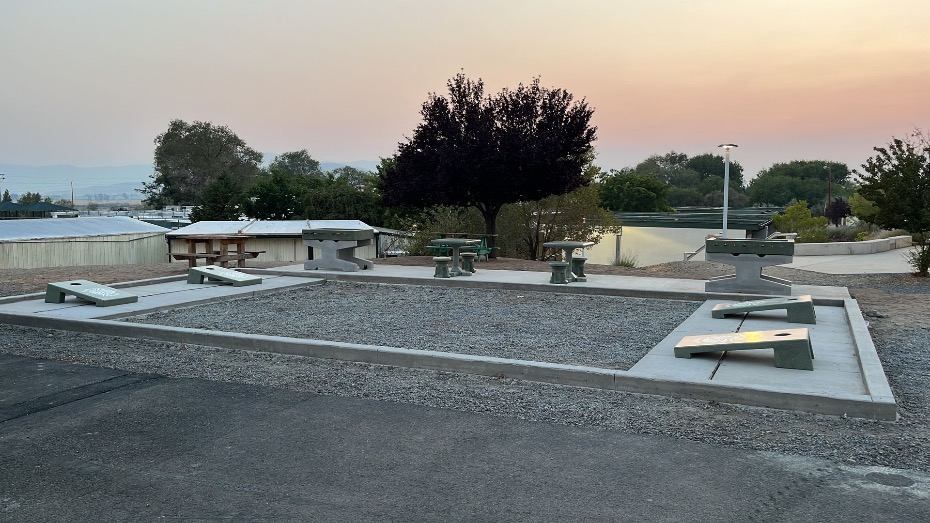
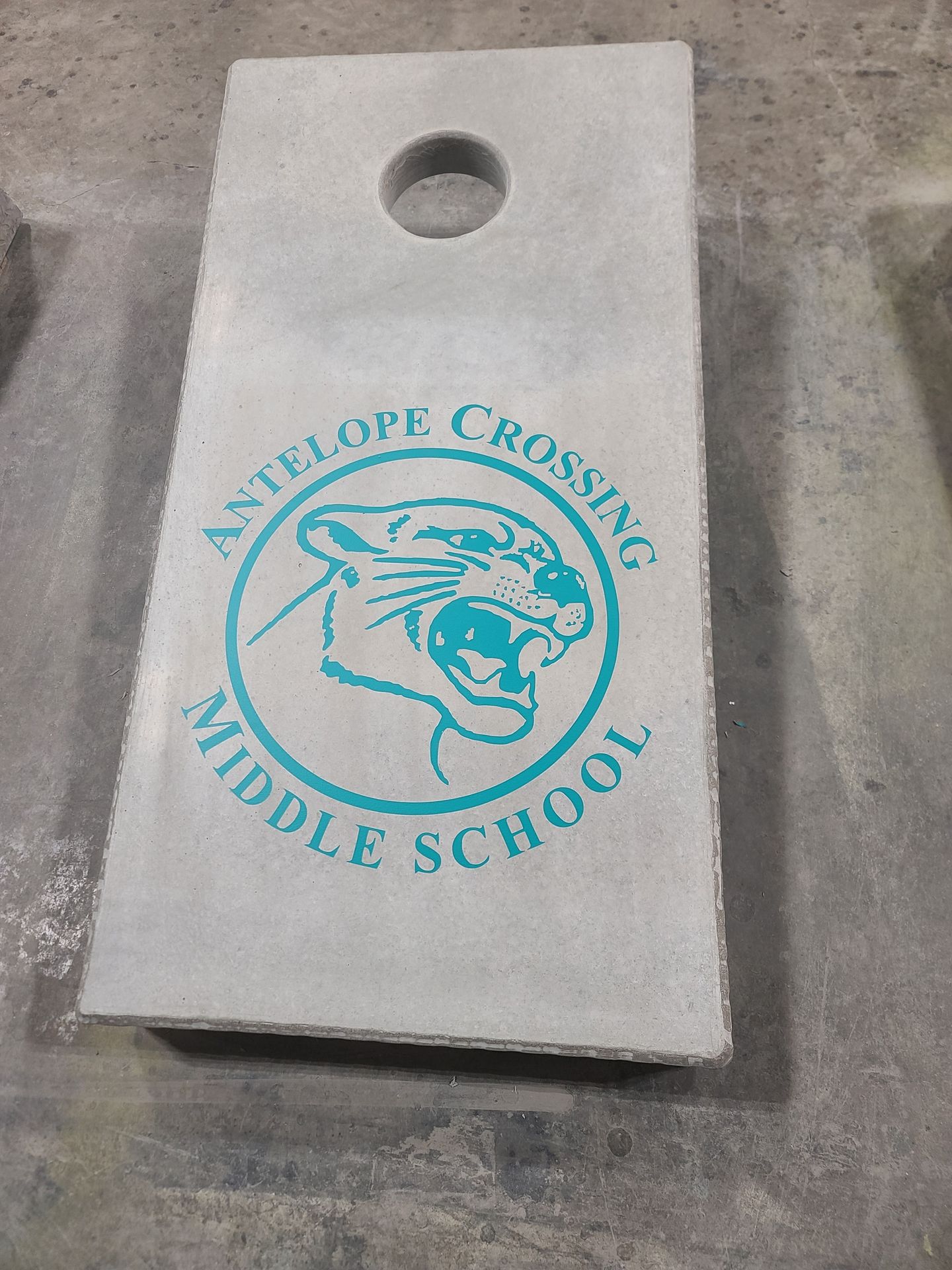
School branding matters more when it shows up in spaces students use, not just on wall graphics or banners. Custom branded outdoor tables can reinforce school identity every day in student unions, residence courtyards, lunch patios, athletic support zones, and academic commons. When students take photos around the space, the school identity is already built into the environment.
Traditional school recreation spaces often favor students already comfortable in sports environments. Outdoor game tables fill a different role. They create low-pressure recreation that works for students who may not join teams, use the weight room, or participate in organized athletics. That matters because the social benefits of campus life should not be limited to the already outgoing or already athletic.
Games like ping pong, cornhole, foosball, and chess create a more accessible on-ramp. Students can join for one round, watch first, meet someone casually, or just use the area as a less intimidating social space. That gives campuses another tool for connection, especially in places where screen time and isolation compete hard for student attention.
Educational campuses need recreation that can handle unsupervised use, daily traffic, and the occasional bad decision without falling apart. Permanent concrete construction matters here because it removes many of the weak points that make lighter equipment a maintenance trap.
| Priority | Why it matters on campus | How permanent tables help |
|---|---|---|
| Weight and stability | Students should not be able to tip or relocate recreation equipment | Heavy permanent builds reduce movement and misuse risk |
| No removable parts | Loose pieces disappear fast in shared environments | Permanent components simplify long-term ownership |
| Outdoor weather resistance | Schools need installations that live outside year-round | Concrete performs better over time than many short-life alternatives |
| Easy cleanup | Maintenance crews already have enough on their plate | Simple surfaces are easier to manage than delicate systems |
The strongest school installations are easy to see, easy to reach, and easy to supervise indirectly through normal campus visibility. That means placing tables where students already pass, not in remote dead corners. It also means planning clear access routes and comfortable spacing from the start. CDC notes schools can help students reach recommended activity levels by increasing opportunities before, during, and after school. :contentReference[oaicite:1]{index=1}
Once the direction is clear, use Specifications & Technical Downloads to review planning details, then move to Contact Us or Schedule a Call for layout and quote support.
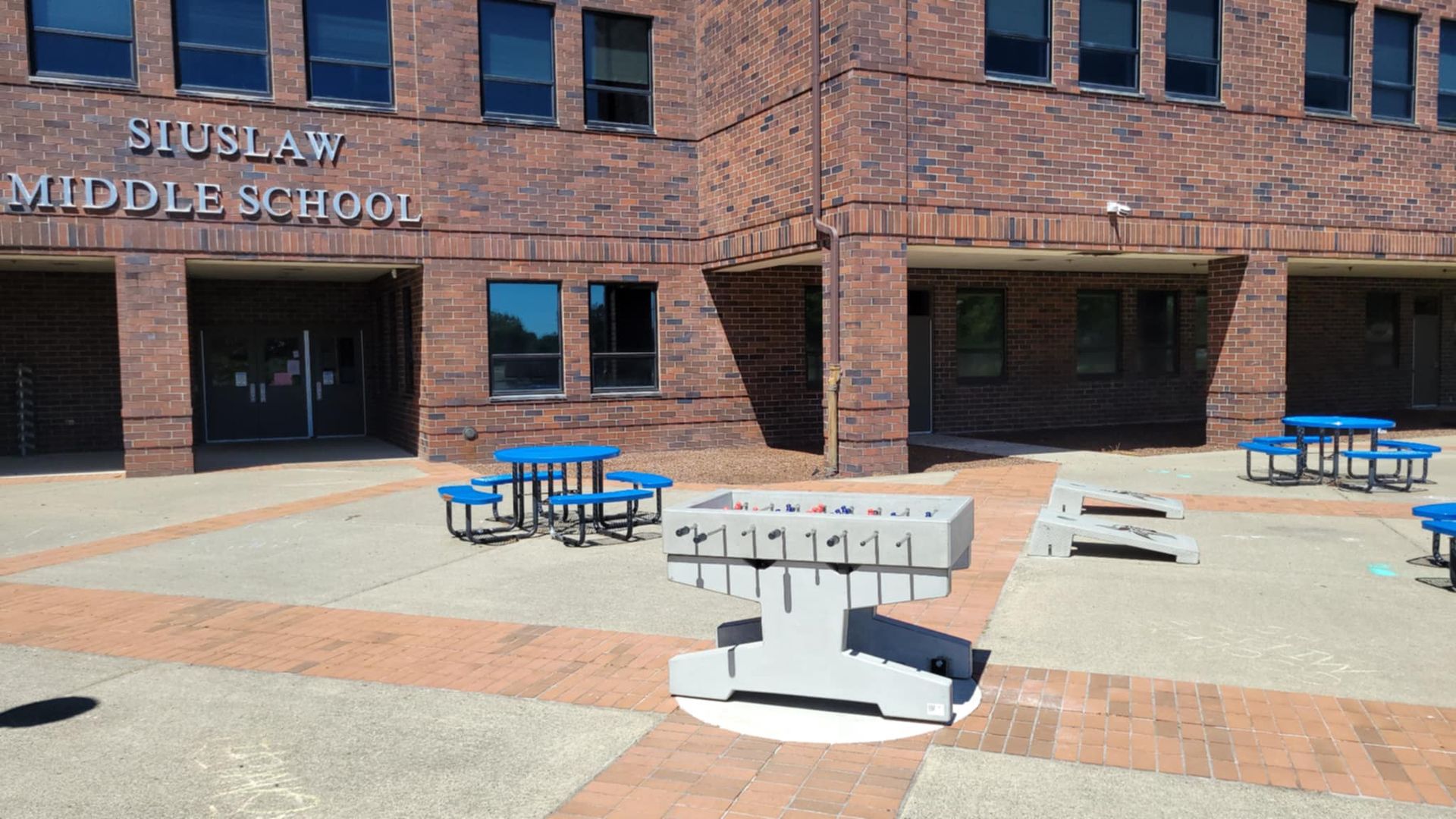
Schools and universities often need durable recreation that fits bigger planning cycles than ordinary equipment purchases. Permanent outdoor game tables work well for that because they serve broad student populations, live outside daily, support wellness and activity goals, and avoid the repetitive cost of replacement. That makes them easier to justify in campus improvement conversations than short-life recreation gear.
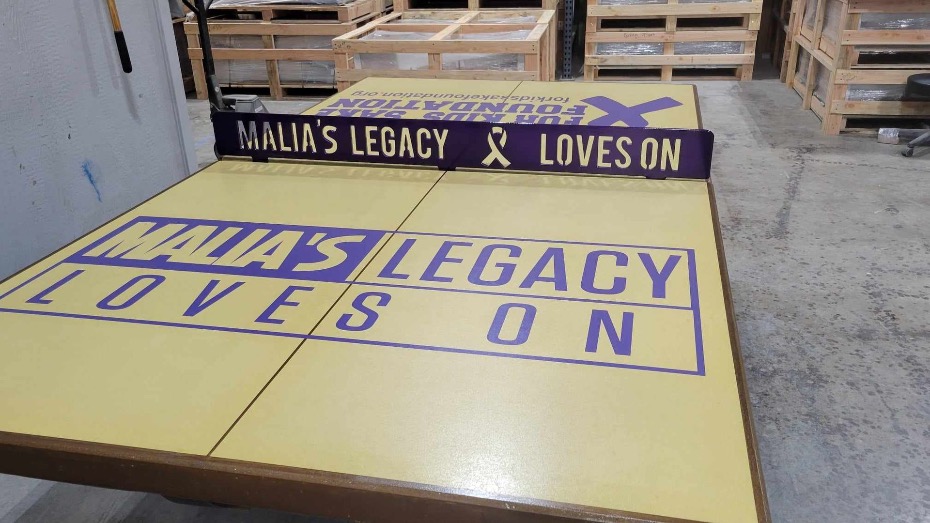
They also work for donor recognition, commemorative installations, and visible student life improvements that continue serving campus year after year.
These are the questions school leaders, campus planners, and facilities teams usually ask before moving forward.
The strongest starting point is usually concrete ping pong because it works across ages and skill levels, then campuses often add cornhole, chess tables, foosball, or Connect Four depending on the age group and space.
Permanent outdoor tables are already in place and ready to use. That means no checkout system, no storage issue, no conflict with gym schedules, and far more spontaneous student use across the year.
Yes. Outdoor game tables create low-pressure recreation that works for students who may not join organized athletics but still want movement, interaction, and a reason to spend time outside.
The strongest locations are high-visibility areas with natural student traffic such as commons areas, courtyards, dining patios, student union spaces, residence hall courtyards, and outdoor zones near but not blocking major campus paths.
Go to Specifications & Technical Downloads for planning information, then use Contact Us or Schedule a Call to talk through site fit and project details.
These are the strongest next-step links for school and university buyers moving from venue research into product selection and planning.
outdoor games for schools colleges and universities give students a permanent place to gather, move, compete, and connect without equipment checkout, locked storage, or constant staff oversight. Stone Age Concrete Games builds weather-ready ping pong tables, cornhole boards, chess tables, foosball tables, and other outdoor game installations that keep campus spaces active throughout the school day and beyond. Explore this page, visit Outdoor Game Tables by Venue, browse the full Outdoor Concrete Games lineup, or return to the homepage for the full catalog.
This page is built for K-12 schools, colleges, universities, campus planners, principals, student life teams, and facilities departments that want outdoor recreation students actually use. The goal is not just to place a table outside. The goal is to create visible, low-friction campus activity that supports connection, movement, school pride, and year-round use.
Schools and universities need more than one-off recreation pieces. They need durable outdoor amenities that fit campus life, require almost no operational effort, and support student use before class, during breaks, after school, and on weekends. That is why education buyers often start with concrete ping pong, then build out with cornhole, chess tables, foosball, and high-interest pieces like Connect Four.
Reference point: CDC says children and adolescents ages 6-17 should get 60 minutes or more of physical activity daily, and schools are in a strong position to help support that through activity opportunities before, during, and after school. :contentReference[oaicite:0]{index=0}
This page is focused on educational environments including elementary schools, middle schools, high schools, colleges, and universities. It stays separate from the venue pages for apartments and multifamily, parks and recreation, resorts and hospitality properties, and campgrounds and RV resorts.
Simple, durable game options that hold up to frequent use and fit younger students.
Ping pong, cornhole, and Connect Four.
Games that support social mixing, energy, and easy participation during breaks.
Ping pong, cornhole, and one quieter strategy table.
Competitive, social installations that can become visible campus landmarks.
Ping pong, branded cornhole, foosball, and chess.
High-use recreation spaces that pull students outdoors and support belonging.
Multi-table plazas, branded cornhole, foosball, and quiet game clusters.
Traditional school recreation equipment often lives behind locked doors. It gets rolled out occasionally for PE or special events, then disappears again. That kills spontaneous use. Permanent outdoor game tables fix that by moving recreation into the path of everyday student life. When the tables are already there, students actually use them.
This matters at every level. In K-12, it helps create movement during recess, lunch, and after-school time. On college campuses, it helps create low-pressure student interaction without requiring organized programming. Either way, the result is the same: better access, more use, and less staff friction.
Concrete ping pong is usually the strongest first recommendation for schools and universities because it works across ages, cultures, and skill levels. It is competitive enough for students who want challenge, casual enough for students who just want something fun to do, and visible enough to pull other people into the space.
That broad appeal is hard to beat. Elementary campuses can use it as an easy-to-understand activity edge. High schools can turn it into a social magnet in commons areas. Universities can build full ping pong plazas that become part of campus life and campus identity.
For a product-level comparison, see Permanent vs Portable Outdoor Ping Pong Tables.
The best outdoor setup depends on the age group, supervision level, campus layout, and how the space is supposed to feel. One campus may need active lunch-period play, while another needs a quieter study-adjacent social zone.
Younger students do best with straightforward, recognizable play that does not require long explanations or advanced skill. Ping pong, cornhole, and Connect Four are strong choices because they are intuitive and visible, and they support both structured and unstructured use.
It gives students an easy way to move and interact without relying only on traditional playground equipment or competitive sports areas.
School branding matters more when it shows up in spaces students use, not just on wall graphics or banners. Custom branded outdoor tables can reinforce school identity every day in student unions, residence courtyards, lunch patios, athletic support zones, and academic commons. When students take photos around the space, the school identity is already built into the environment.
Traditional school recreation spaces often favor students already comfortable in sports environments. Outdoor game tables fill a different role. They create low-pressure recreation that works for students who may not join teams, use the weight room, or participate in organized athletics. That matters because the social benefits of campus life should not be limited to the already outgoing or already athletic.
Games like ping pong, cornhole, foosball, and chess create a more accessible on-ramp. Students can join for one round, watch first, meet someone casually, or just use the area as a less intimidating social space. That gives campuses another tool for connection, especially in places where screen time and isolation compete hard for student attention.
Educational campuses need recreation that can handle unsupervised use, daily traffic, and the occasional bad decision without falling apart. Permanent concrete construction matters here because it removes many of the weak points that make lighter equipment a maintenance trap.
| Priority | Why it matters on campus | How permanent tables help |
|---|---|---|
| Weight and stability | Students should not be able to tip or relocate recreation equipment | Heavy permanent builds reduce movement and misuse risk |
| No removable parts | Loose pieces disappear fast in shared environments | Permanent components simplify long-term ownership |
| Outdoor weather resistance | Schools need installations that live outside year-round | Concrete performs better over time than many short-life alternatives |
| Easy cleanup | Maintenance crews already have enough on their plate | Simple surfaces are easier to manage than delicate systems |
The strongest school installations are easy to see, easy to reach, and easy to supervise indirectly through normal campus visibility. That means placing tables where students already pass, not in remote dead corners. It also means planning clear access routes and comfortable spacing from the start. CDC notes schools can help students reach recommended activity levels by increasing opportunities before, during, and after school. :contentReference[oaicite:1]{index=1}
Once the direction is clear, use Specifications & Technical Downloads to review planning details, then move to Contact Us or Schedule a Call for layout and quote support.
Schools and universities often need durable recreation that fits bigger planning cycles than ordinary equipment purchases. Permanent outdoor game tables work well for that because they serve broad student populations, live outside daily, support wellness and activity goals, and avoid the repetitive cost of replacement. That makes them easier to justify in campus improvement conversations than short-life recreation gear.
They also work for donor recognition, commemorative installations, and visible student life improvements that continue serving campus year after year.
These are the questions school leaders, campus planners, and facilities teams usually ask before moving forward.
The strongest starting point is usually concrete ping pong because it works across ages and skill levels, then campuses often add cornhole, chess tables, foosball, or Connect Four depending on the age group and space.
Permanent outdoor tables are already in place and ready to use. That means no checkout system, no storage issue, no conflict with gym schedules, and far more spontaneous student use across the year.
Yes. Outdoor game tables create low-pressure recreation that works for students who may not join organized athletics but still want movement, interaction, and a reason to spend time outside.
The strongest locations are high-visibility areas with natural student traffic such as commons areas, courtyards, dining patios, student union spaces, residence hall courtyards, and outdoor zones near but not blocking major campus paths.
Go to Specifications & Technical Downloads for planning information, then use Contact Us or Schedule a Call to talk through site fit and project details.
These are the strongest next-step links for school and university buyers moving from venue research into product selection and planning.