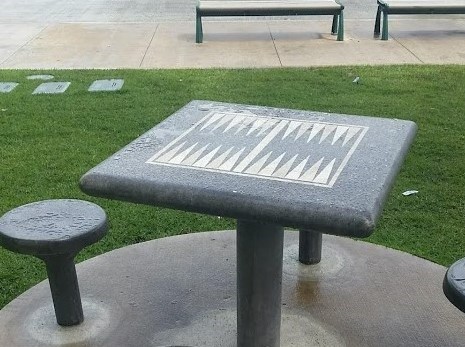
Choosing ADA-compliant outdoor game tables is about more than checking a box for accessibility. It is about creating outdoor recreation spaces where everyone can participate, compete, laugh, and connect regardless of physical ability. Parks, schools, HOAs, resorts, and public facilities increasingly recognize that inclusive design is not optional. It is essential for community engagement, legal compliance, and long-term value. ADA-compliant outdoor game tables allow people using wheelchairs, walkers, or limited mobility devices to enjoy the same recreational experiences as everyone else, without barriers or awkward workarounds. When done right, these tables blend accessibility, durability, safety, and fun into a single permanent solution that enhances your space for decades.
Outdoor recreation spaces face unique challenges. Weather exposure, vandalism risks, heavy usage, and maintenance constraints all play a role in product selection. Adding accessibility requirements to that mix can feel overwhelming. The good news is that choosing ADA-compliant outdoor game tables does not require sacrificing aesthetics, gameplay quality, or durability. With thoughtful planning and the right manufacturer, inclusive design can elevate your space rather than complicate it.
This guide explains what makes outdoor game tables ADA-compliant, which accessibility features matter most, and how to choose the right solutions for your space. Whether you are upgrading an existing park, planning a new school courtyard, or designing a community gathering area, understanding these fundamentals will help you make confident, informed decisions that serve all users.
What Makes ADA-Compliant Outdoor Game Tables Accessible?
ADA compliance for outdoor game tables centers on equitable access. The Americans with Disabilities Act outlines requirements that ensure people with disabilities can approach, use, and enjoy recreational amenities safely and independently. For game tables, this typically involves proper clearances, reachable play surfaces, stable construction, and thoughtful design that accommodates seated players.
Accessibility begins before gameplay even starts. The surrounding environment must allow users to approach the table easily. This includes accessible routes, level surfaces, and adequate maneuvering space. Once at the table, players must be able to position themselves comfortably and engage with the game without strain or obstruction.
Key accessibility principles include:
- Clear floor space that accommodates wheelchairs and mobility devices
- Table heights and under-table clearance that support seated use
- Stable, fixed construction that does not shift during play
- Smooth, reachable edges and surfaces for safe interaction
- Inclusive layouts that allow social interaction without isolating players
Well-designed ADA-compliant outdoor game tables integrate these principles seamlessly. They do not look clinical or restrictive. Instead, they invite participation from a diverse range of users while maintaining the fun and competitive spirit that makes outdoor games so appealing.
Required Measurements for ADA-Compliant Outdoor Game Tables
Measurements play a critical role in ADA compliance. While exact specifications can vary based on the type of game table, there are common standards that guide accessible design. These measurements ensure users can approach, reach, and play comfortably from a seated position.
Important measurement considerations include:
- Clear floor space of at least 30 by 48 inches for wheelchair positioning
- Knee clearance under accessible portions of the table typically around 27 inches high
- Table surface heights that fall within reachable ranges for seated users
- Adequate toe clearance to allow closer positioning without obstruction
- Accessible play areas that do not require excessive reaching or twisting
For multi-player tables, such as chess or ping pong, accessibility often means providing at least one accessible playing position. This allows inclusive participation without redesigning the entire table. In practice, many modern outdoor game tables exceed minimum requirements, offering multiple accessible sides that encourage inclusive group play.
Manufacturers experienced in ADA-compliant outdoor recreation understand how to balance regulation with usability. Proper measurements ensure compliance, but thoughtful design ensures comfort and enjoyment. Nobody wants to play chess while doing accidental yoga poses just to reach the board.
How to Choose the Right ADA-Compliant Outdoor Game Tables for Your Space
Selecting the right ADA-compliant outdoor game tables starts with understanding how your space will be used. A public park may prioritize durability and high capacity usage, while a school courtyard might focus on safety and age-appropriate design. HOAs and resorts often look for tables that blend into the landscape while providing long-term value and minimal maintenance.
Start by asking a few key questions:
- Who will use the tables most often?
- What types of games best fit the community or environment?
- How much space is available around each table?
- What level of maintenance can be realistically supported?
- Are there local accessibility guidelines beyond federal ADA standards?
Once these factors are clear, you can evaluate table options based on material quality, layout flexibility, and accessibility features. Permanent installation is often preferred for ADA compliance because fixed tables provide consistent access, reduce movement hazards, and support long-term stability.
Outdoor concrete game tables are especially well-suited for inclusive environments. Their weight and permanence prevent shifting, their surfaces resist weather and vandalism, and their designs can easily incorporate ADA-compliant dimensions. When properly designed, they offer decades of reliable use with minimal upkeep.
Choosing Materials That Support Long-Term Accessibility
Material selection is not just about durability. It directly affects accessibility over time. Warped surfaces, corroded supports, or unstable components can quickly turn a compliant table into a barrier. Choosing materials that maintain their shape, strength, and finish is essential for long-term accessibility.
Concrete stands out as a top choice for ADA-compliant outdoor game tables for several reasons:
- It remains stable and level over decades of use
- It resists weather damage from sun, rain, heat, and freezing temperatures
- It withstands heavy use without bending or loosening
- It discourages vandalism and theft due to its weight and permanence
- It requires minimal maintenance compared to wood or metal alternatives
Other materials, such as steel or plastic, can meet accessibility requirements initially but may degrade faster in outdoor environments. Rust, fading, cracking, or loosening fasteners can compromise both safety and usability. Investing in reinforced concrete ensures that accessibility features remain intact long after installation.
Long-term accessibility also includes surface texture. Smooth, sealed playing surfaces reduce friction and allow for consistent gameplay. Rounded edges and corners minimize injury risk and make tables more comfortable for users with limited dexterity or reach.
What Accessibility Features Matter Most in Inclusive Game Tables?
Accessibility features go beyond measurements. They shape the overall user experience. Inclusive game tables consider how different players interact with the space, the table, and each other. The goal is to create an environment where everyone feels welcome and capable, not singled out or accommodated as an afterthought.
Some of the most important accessibility features include:
- Multiple accessible play positions on multi-player tables
- Open legroom that allows wheelchairs to pull in comfortably
- Clear visual contrast between playing surfaces and surrounding elements
- Smooth transitions between ground surfaces and table bases
- Adequate spacing between tables for easy navigation
These features work together to support independence and social interaction. Inclusive design means players can join games naturally, without assistance or special arrangements. When accessibility is integrated from the start, it becomes invisible in the best possible way.
Inclusive Design Features for Comfortable Gameplay
Comfortable gameplay is essential for inclusion. If a table technically meets ADA standards but is uncomfortable or awkward to use, it will not fulfill its purpose. Inclusive design focuses on ergonomics, reachability, and social engagement.
Examples of inclusive design features include:
- Extended table edges that allow seated players to reach game areas easily
- Centered game boards that reduce excessive leaning or stretching
- Stable seating options placed nearby for flexible use
- Thoughtful spacing that allows spectators and participants to interact
- Consistent table heights across similar installations for familiarity
Inclusive outdoor game tables also encourage multi-generational play. Children, adults, seniors, and people with disabilities can all share the same space without segregation. This shared experience strengthens community bonds and maximizes the value of your investment.
Clean humor aside, nobody wants to feel like they need a spotter just to play ping pong. Comfortable, accessible design keeps the focus on fun rather than frustration.
Bringing Accessibility and Durability Together
ADA compliance and durability should never be competing priorities. The best outdoor game tables deliver both. Permanent concrete tables excel in this area by combining structural stability with flexible design options. They can be customized to meet accessibility requirements while maintaining a polished, professional appearance that enhances any outdoor space.
From ping pong and chess to shuffleboard, foosball, and cornhole, inclusive design principles apply across game types. Each table should offer clear access, comfortable play positions, and long-term reliability. When accessibility is built into the foundation rather than added later, the result is a seamless, inviting environment that serves everyone equally.
Communities that invest in ADA-compliant outdoor game tables send a powerful message. They show a commitment to inclusion, safety, and thoughtful design. They also reduce liability risks and future replacement costs by choosing products built to last.
Choose Stone Age Concrete Games for Inclusive Outdoor Recreation
At Stone Age Concrete Games, we design and build permanent outdoor concrete game tables that bring people together. Our products include ping pong, chess, foosball, shuffleboard, cornhole, and more, crafted from reinforced concrete for parks, resorts, HOAs, schools, and community spaces. Each table is weather-resistant, vandal-resistant, and made to perform for decades. We understand the importance of accessibility and incorporate ADA-compliant outdoor game table design into our products so every player can participate comfortably and confidently.
If you are planning an inclusive outdoor recreation space or upgrading existing amenities, our team is ready to help. Contact us to request a quote or design consultation and discover how durable, accessible game tables can transform your space into a welcoming destination for everyone.